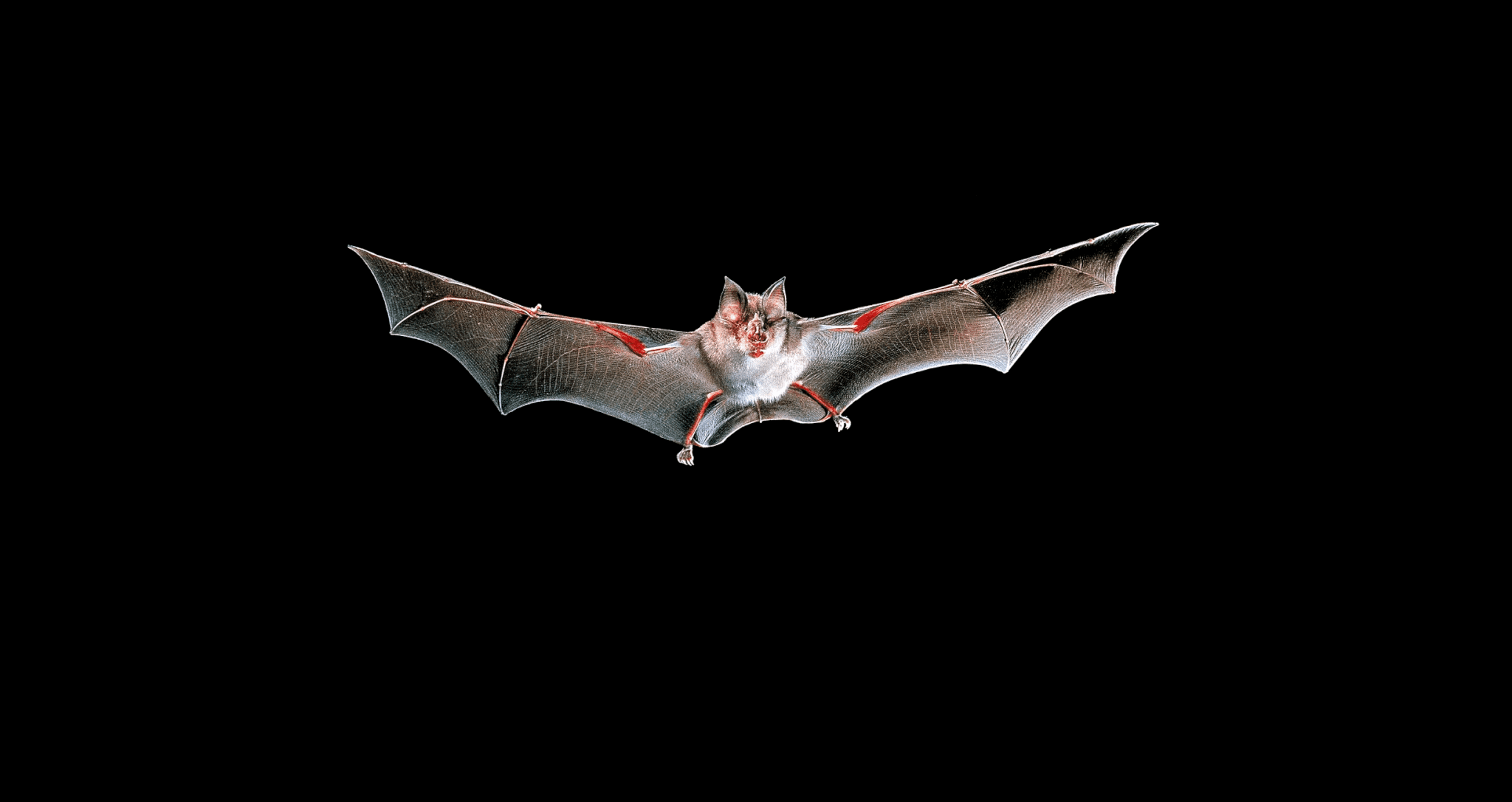
As children rush about screaming with delight trying to scare one another on Halloween night dressed as ghosts and ghouls…spare a thought for the much-maligned bat!
These tiny intelligent nocturnal creatures are quite remarkable and serve a very vital role in our ecosystem. Once a common sight, as with so much of our UK wildlife, they are now in serious decline, due to loss of roosting sites as land is lost to building and agriculture, house renovations destroy nooks and crannies, insecticides kill, and domestic cats kill an estimated 250,000 bats a year.
In the UK, we have 18 species of bat, but the most frequently seen bat is the common pipistrelle.
They are tiny, the size of our thumbs, and weigh around the same as 10 paper clips!
NO, they are not aggressive. NO, they do not attack humans. NO, they do not suck blood…indeed they save us from the many insects who might do just that, by eating around 3,000 insects in one night! This number includes mosquitoes, wasps, flies, moths and gnats. Try and beat that! No pesticide is likely to even come close to such levels of insect control.
UK bats eat insects and only insects. Incredible allies for farmers, gardeners and indeed humans who may linger in their gardens at night.
If they appear to swoop down at you…they are actually chasing insects buzzing over your head…many of which might bite you if the bat doesn’t eat them first! They have amazing aerobatic skills, are able to detect a tiny mosquito in the total darkness and would be highly unlikely to get caught in anyone’s hair… they are very shy and will avoid any contact with humans.
They often fly with their mouths open, which may look threatening, but they are simply emitting ultrasonic squeaks, which bounce off anything in their flight path and back to a bat’s sensitive ears…. bats navigate by means of radar….!
Bats are one of our most misunderstood fellow mammals. They can live for up to 20 years, usually have one pup, fed with its mother’s milk for about 6 weeks until it can catch its own food. In the autumn, they retire to hibernate in a sheltered place, a loft, tree, outhouse, or under tiles. If they choose your loft for the long winters sleep, unlike mice, they will do no harm, will not build a nest, and you must by law leave them undisturbed.
It is illegal to disturb a bat’s hibernation site or roost, or to kill, capture, disturb, or destroy breeding sites.
They need our support. Plant honeysuckle, white jasmine or other plants which attract night flying insects and help the bats. Trees are vital for them, particularly older ones, wherein rot holes, or loose bark is a crevasse to clamber into. They dislike bright lights, and their biggest predator is domestic cats allowed out at night, consider keeping your cat inside at sunset.
Birds work all day eating insect pests, these tiny bats take up the night shift….and make an amazing job of munching bugs!
By Kate Southworth