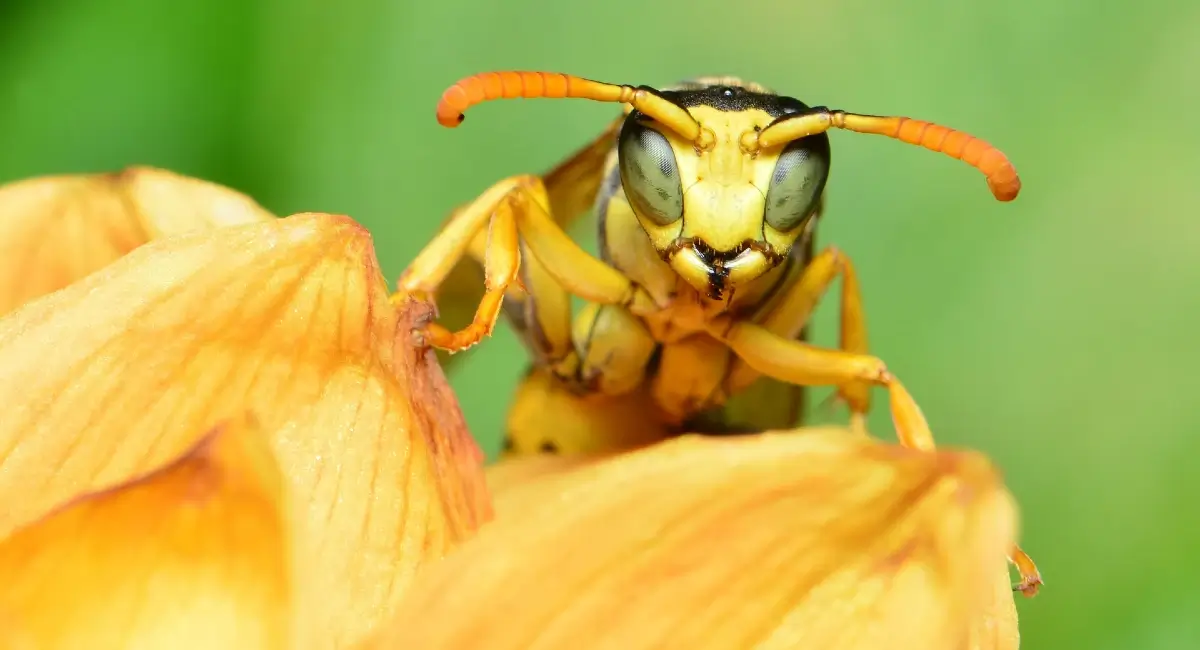
If we were told that a specific creature was so essential to our world that without it, common “pest” insects would be out of control, and the planet would be “pest-ridden” to biblical proportions, what would we think?
Every summer in the UK, these creatures eat 14 million kilograms of flies, spiders, cockroaches, caterpillars, horseflies and greenflies, helping farmers to control insect crop attacks, and saving gardeners’ vegetables from decimation!
Recent research has found that some of these creatures could provide nonchemical pest control to farmers, and the venom of one of them is being investigated as a promising cancer treatment! It has also been found that they may well be as efficient at pollinating flowers and food crops as bees, because as they go about their work and feed on nectar, their hairy bodies collect and spread pollen.
Insects die and might just lie around creating piles of dead bugs…BUT these creatures carry the carcasses off to feed their young.
So, let’s look at…. WASPS, yes really…who we tend to associate only with being unwanted nuisances, ruining our picnics in late summer! But recent research shows us we need to tolerate these vital predators, even if we cannot bring ourselves to love them! Wasps are superb engineers; their nests (really beautiful creations), are made of slivers of wood, scraped off trees, wooden furniture, or perhaps sheds, mixed with saliva to make papier mâché paste. They never reuse a nest. If you leave it in situ, they will not return, and other wasps will not use that site.
Female wasps hunt and feed the young on insects. Adults cannot eat solid food; they only eat nectar and are also fed by the larvae on a sweet, juicy liquid. As the summer goes on, the number of larvae is fewer, so the wasps are not being fed enough, so they must seek other sources of food, which is when our picnics become desirable!
The worker wasps die in autumn, but the queens hibernate over winter in crevices in buildings or trees, emerging to begin a new nest in spring.
So, tips to help us live with wasps. To attract wasps away, leave some overripe fruit sitting at a distance from you. Keep fruit and food generally in the fridge or in sealed containers for a few weeks whilst wasps are troublesome.
Wasps do not like the smell of peppermint oil or citronella. Once their nests start to break down, the wasps live only a few weeks and will soon disappear.
Keep calm if a wasp lands on you; they sting generally if they feel threatened.
If at all possible, tolerate these hard-working protectors of the ecosystem; only destroy a nest if it is a direct threat. Wasps play such a vital role that we need to learn to live with them. To do that, we need to understand them and appreciate all they do for us.
By Kate Southworth